
The Wild Silk
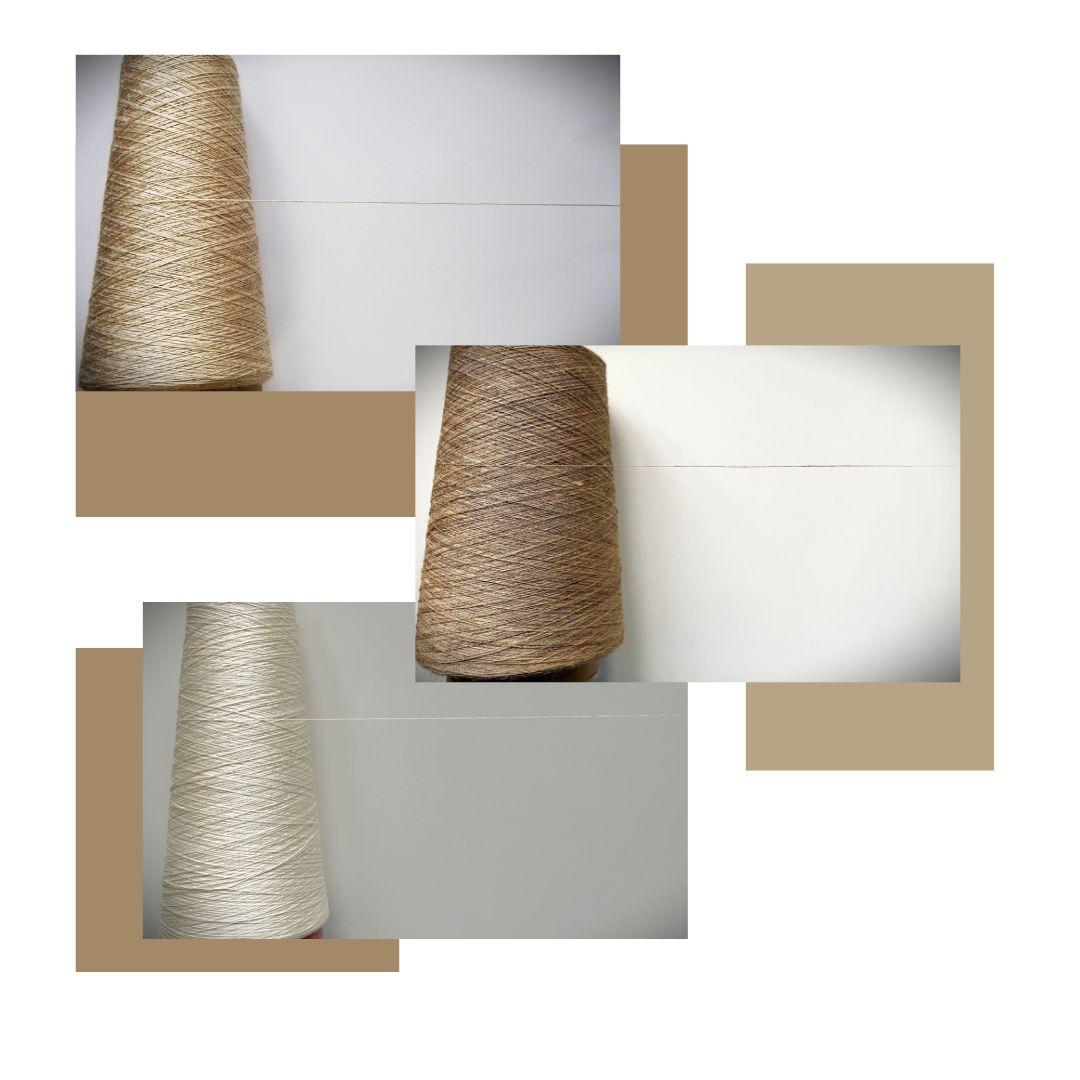
The Wild Silk: Tussah, Eri and Muga
The countless and fascinating variations of the wild silk
The Wild silk is a type of silk. When we talk about silk and silkworms or silk cocoons we are referring in particular to a specific type of silk that comes from a specific type of silkworm called Bombyx Mori. This moth feeds exclusively on mulberry tree leaves and produces a silk cocoon of intense white color, iridescent, with alternating phases of brightness and opacity
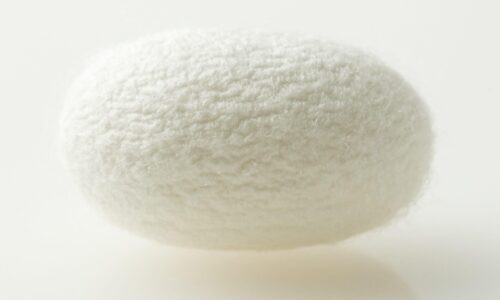
From the silk cocoon it is possible to obtain continuous silk threads or, if appropriately reprocessed and worked as natural silk waste, discontinuous silk yarns with different effects and shades of brightness and softness
Errata corrige
The information that can regularly be found on websites, blogs, or advertisements from those who, despite using the qualification of experts in the sector, demonstrate little knowledge of the world of silk, define and communicate unrealistic scales of qualitative value by attributing greater or lesser value and exclusivity to certain types of silk, is not true. Each type of silk has its own characteristics and peculiarities
What Wild Silk is
There are more than 500 types of silks in the world that can be defined as wild and many of them are not yet catalogued and codified. Historically, there are studies and written reports of “woven threads from small crawling animals” used in the Aztec Empire to create small containers. In two sites on the Indus River, threads were found that, after being analysed under an electronic microscope, were defined as wild silk threads dating back to 2500 BC. They were called Harappan threads from the place where they were found
The Silk Tussah
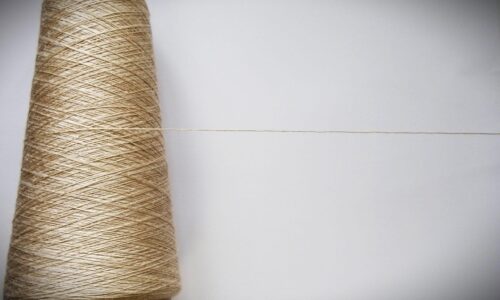
Tussah silk is a type of silk whose silk cocoon feeds mainly on oak leaves.
It belongs to the largest family of wild silks (Muga, Eri, Anaphe, Fagara, Coan, etc.) and differs from the more well-known mulberry silk.
Tussah silk is originally presented with natural colors close to gold / yellow / light brown, resilient and flat fiber structure, with superior hairiness, shiny, extremely fine and soft, natural and highly sustainable in its production and use. Fascinating in its formation, the tussah silk cocoon has effects that can be reported on the thread and fabrics
The Muga Silk
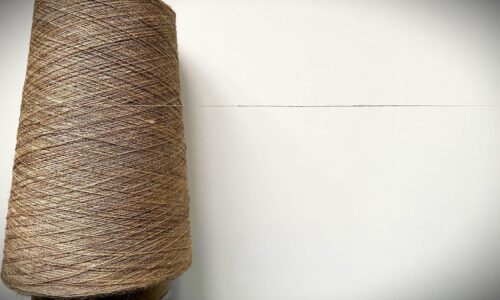
Muga silk is a type of silk that comes from a specific type of silkworm Antheraea assamensis, it feeds on leaves of aromatic plants of the Maucilus and Litsea family. The Muga silkworm is still not able to live with the presence of minimal levels of pollution
Muga silk is a silk of the wild silk family (Tussah, Eri, Anaphe, Fagara, Coan, etc.) typical of the Indian region of Assam. Muga in Assamese means yellowish in color.
Muga silk originally has an indefinite color with shades ranging from yellowish to gold, highly resistant in the thread and fabric, it is said that it outlives the wearer. It highlights characteristic shades of golden shine that increases with each wash
The Eri Silk
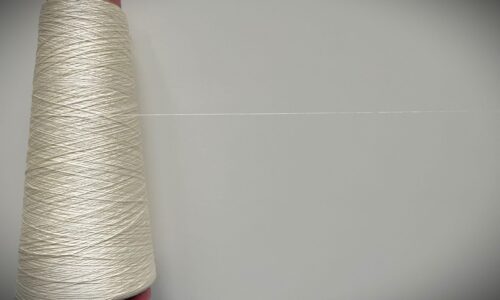
Eri silk is a silk that comes from a specific type of silkworm: Samia Ricini. Eri in Assamese means castor oil which is the plant whose leaves the silkworm feeds on. In the same fiber the story of a wild silk and the silkworm that together with the Bombyx Mori, (which produces Mulberry silk), is the only one to be domesticated
Eri silk is white and woolly capable of phenomenal elements of iridescent color and opaque spaces. Very resistant with very high thermoregulation characteristics, apparently regular, it manifests traits that are difficult to standardize
Assumed to fame for the use of Mahatma Gandi as an expression of non-violence, considered cruelty free not by choice but by nature: the Eri silkworm does not complete the silk cocoon, leaving it open in its upper part and making the thread not continuous. Usable for excellent discontinuous yarns
The Silk Sliver
The discontinuous yarn of mulberry silk or wild silk could not exist without the transformation of the fibre deriving from the cocoon and/or from subsequent processes into a regularised ribbon within which the fibres are parallelised in a longitudinal direction, guaranteeing possible electrostatic and/or chemical bonds
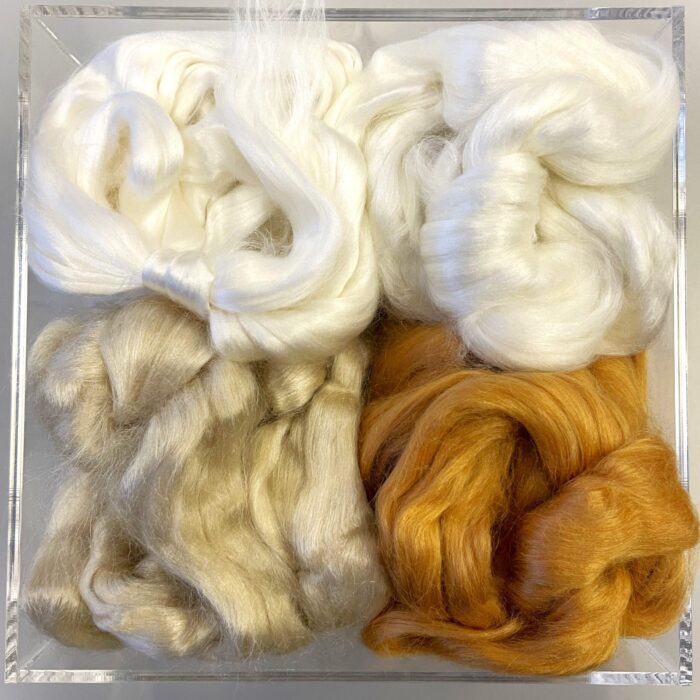
In the photo (clockwise from top left)
Natural silk combed yarn Mulberry
Natural silk combed yarn Eri
Natural silk combed yarn Eri Red (natural colouring)
Natural silk combed yarn
The term combed sliver comes from the comb. A series of successive processes that through the use of sets of combs in different materials and with different fineness produce, from a series of disordered or partially ordered fibers, continuous semi-finished sliver or ribbons with the characteristic of having ordered parallel fibers inside them.
The individual silk fibers acquire a specific position inside the continuous ribbon, through longitudinal adhesion and electrostatic bonds, without ever wrapping around each other. A combed silk sliver is a unique, cohesive and well-defined structure, superior in quality to the sum of the individual fibers that constitute it, capable of enhancing cohesion, lightness, softness, smoothness, without changes in tenacity.
Bright color combined with non-standardizable opacity phases, variations of iridescent fibers and unalterable shades, created by the different light refraction properties of the individual silk fibers and the different types of silk used.