
Silk Fibroin: A Natural Biomaterial Between Biomimetic Silk and Thermal Invisibility

Silk Fibroin: A Natural Biomaterial Between Biomimetic Silk and Thermal Invisibility
Silk fibroin is the main natural silk protein and is currently one of the most studied natural biomaterials in the fields of biomimicry, advanced materials, and biomedical and textile research.
Extracted from silk fiber, fibroin combines biocompatibility, mechanical strength, and thermoregulating properties, making silk a benchmark for the development of biomimetic materials and innovative technical fabrics.
What is Silk Fibroin?
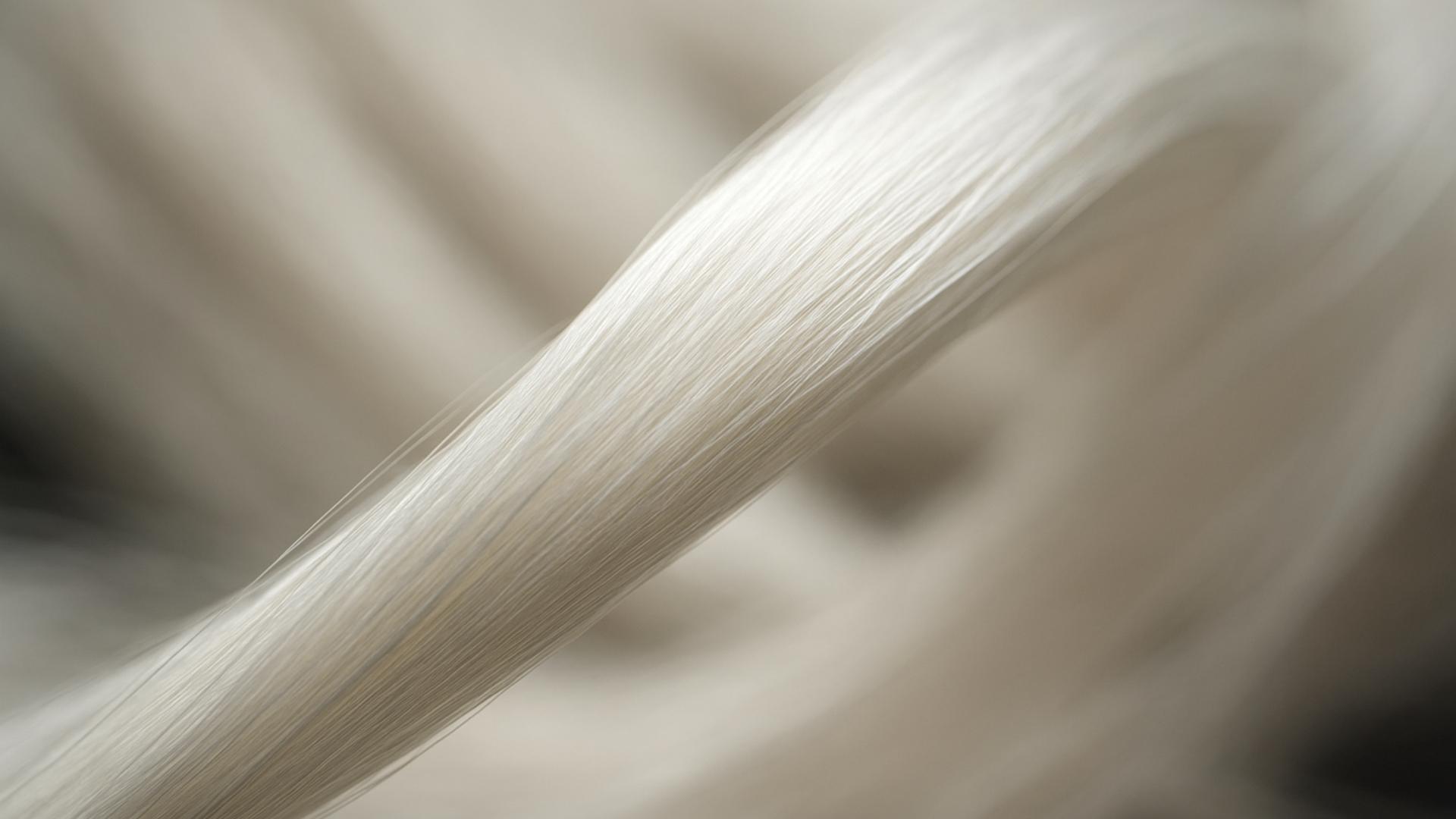
Fibroin is the main silk protein, a natural fibrous protein element found exclusively within the natural silk fiber, produced by silkworms for the construction of their cocoons. It forms the structural core of the silk fiber, giving it its characteristics of strength, lightness, and flexibility.
Fibroin and Sericin in the Silk Structure
Difference Between Fibroin and Sericin in Silk Fiber
Within the natural silk fiber, fibroin forms the main body of the silk filament and is coated with sericin, another completely natural protein.
Sericin is water-soluble and can be dissolved and extracted in water at high temperatures for biomedical and cosmetic products due to its high compatibility with human body and epidermal proteins.
Sericin and fibroin are continuously studied and applied for their high biocompatibility, opening new frontiers for biomimetic silk, biomedical applications, cosmetics, and smart biomaterials.
Silk Fibroin and Advanced Materials
Silk Fibroin is now considered one of the most promising natural biomaterials in advanced materials science, thanks to its unique combination of lightness, strength, and biological compatibility. Research and development in the aerospace, medical, and technical fields are looking to this natural fibrous protein as a model for applied biomimicry and sustainable innovation.
Silk Fibroin and Compatibility with the Human Body
Silk fibroin has a structure based on essential amino acids, essential for many metabolic processes in the human body and for biomedical applications.
It is one of the unique fibrous proteins that form the cornerstone of the human body. One-third of our body’s proteins are fibrous proteins.
Silk fibroin is a natural protein that interacts with the human body, offering an example of perfect biological compatibility and potential for biomedical applications as well as for innovative products that place our bodies in contact with beneficial elements, such as silk bedding.
Physical, Chemical, and Mechanical Properties of Silk Fibroin
The physical and mechanical properties of fibroin derive from its chemical and molecular structure, which provides high standards of:
- Mechanical and chemical resistance
- Structural flexibility of the silk fiber
- Natural thermoregulation capacity
- Breathability of silk
Fibroin is a natural biopolymer with ideal technical performance for innovative fabrics, devices, and next-generation components.
From traditional silk to biomimetic silk
The word “silk” associated with fabrics and products known only for their beauty, glamour, softness, and brilliance, has become a reference for materials studied, analyzed, and researched.
Biomimetic silk and applied biomimicry
The exceptional characteristics of natural silk and its microfilaments have made fibroin and sericin ideal models of biomimetic materials for the development of biomimetic silk, a natural biopolymer inspired by biological processes.
Biomimicry is the science of creating technologically advanced activities, projects, processes, and products by imitating the biological and biomechanical processes created by nature.
Silk Fibroin and Thermal Invisibility
Who hasn’t dreamed of owning Harry Potter’s invisibility cloak?
The ZJU College of Chemical and Biological Engineering research institute has achieved a fibroin microstructure capable of perfect insulation and thermal invisibility.
Electrospinning, freeze-spinning, and the use of a 100% pure fibroin solution, originally developed to replicate the structure of polar bear fur, have opened up new avenues for the innovative use of silk-derived fibers.
Thermal Insulation and Infrared Invisibility of Silk
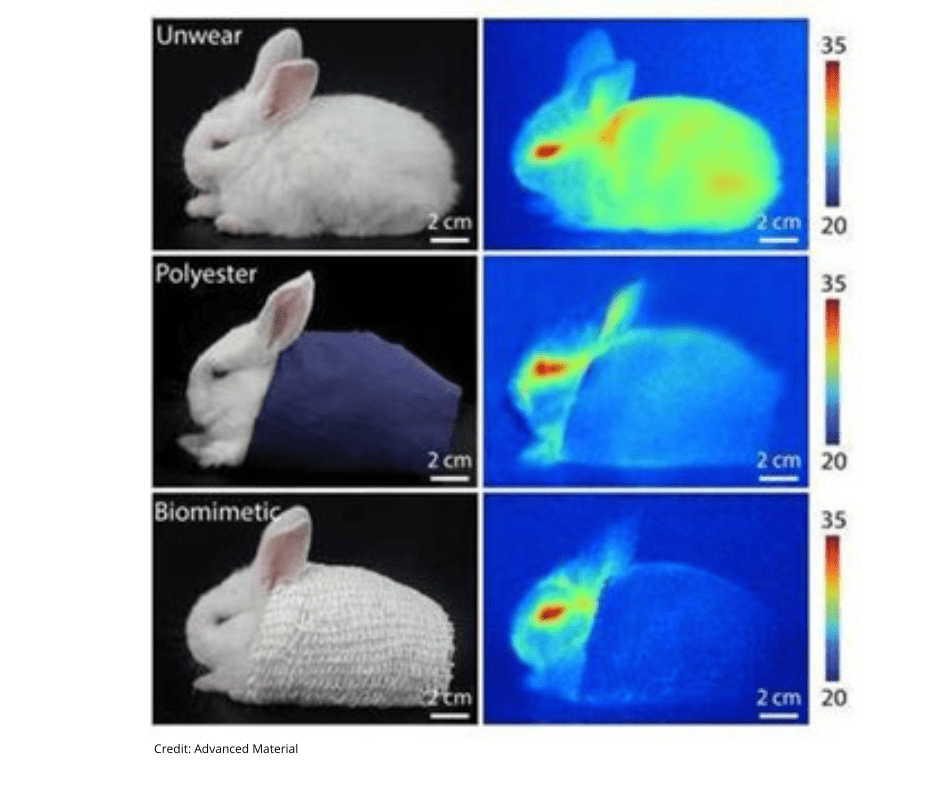
The cold electrospinning process resulted in a filament with a very pronounced hollow interior. This structure significantly increased silk’s already high thermal insulation and infrared invisibility capabilities. The experimental hollow fiber fibroin fabric generates a temperature difference between its upper and lower sides.
The fibroin fabric, placed on a laboratory rabbit and analyzed by infrared thermal imaging, completely shields the animal’s body heat, so much so that the rabbit is completely invisible to infrared light.
The study, published in Nature, New Scientist, and the Journal of the American Chemical Society, confirms that a hollow-fiber silk fibroin coat renders a body invisible to thermal imaging, opening up applications and studies in the field of innovative biomaterials, the military, and aerospace sectors.
Cosetex’s research on silk fibroin
At Cosetex, silk is not only a traditional, prized fiber, but a key resource in research on natural biomaterials and the development of advanced technical fabrics based on its natural protein components.
Our work focuses on the study and valorization of silk, to spread knowledge and applications of its proteins, such as fibroin, in the knowledge of the development of an ideal platform for intelligent biomaterials, high-performance technical fabrics, and sustainable solutions inspired by nature’s processes.
Fibroin Projects and Collaborations
Discover how silk, a next-generation biomaterial, can become your next innovation resource.
Contact us to learn more about our research, explore collaborations, or explore customized projects related to fibroin and next-generation biomaterials.