
Cosetex expands its certified materials: GOTS and OEKO-TEX certified Tussah silk
Cosetex expands its certified materials: GOTS and OEKO-TEX certified Tussah silk
As part of a philosophy of continuous improvement aimed at enhancing silk fiber and its supply chain, Cosetex – a longstanding reference point in the field of natural silk waste – has successfully achieved the certification of wild silk.
After being the first in its field to obtain a series of product and process certifications for certified mulberry silk, Cosetex can now offer its customers GOTS and OEKO-TEX certified Tussah silk.
What is wild silk and certified tussah silk?
When we speak of silk, we should actually refer to silks in the plural, since there are a wide number of different varieties. It is estimated that there are more than 500 types, many of which are still awaiting proper classification.
What is Tussah silk?
Tussah silk belongs to the large group of wild silks such as Muga, Eri, Anaphe, Fagara, and Coan. They are called wild because, unlike mulberry silk – the result of centuries of selective breeding and domestication (the Bombyx Mori silkworm of mulberry silk is a domesticated insect that cannot survive without human presence) – these silks grow independently within forests, feeding on the leaves of the host trees.
GOTS and OEKO-TEX certified Tussah silk is mainly derived from the cocoons of Antheraea mylitta, Antheraea pernyi, and Antheraea yamamai. These silkworms feed exclusively on oak leaves and other plants from the Fagaceae family.
Chemical composition of Tussah silk
Like all silks, GOTS and OEKO-TEX certified Tussah silk is naturally composed of two exceptional proteins: fibroin (70–80%) and sericin (20–30%), with important molecular variations compared to mulberry silk:
- Fibroin, a protein with a sequence of essential amino acids, shows polypeptide sequences in Tussah silk with a lower glycine content compared to mulberry silk (25% vs. 43%).
- The regularity and homogeneity of the β-sheet molecular conformation is modified, resulting in lower crystallinity.
- Sericin shows a higher content of phenolic groups, which causes photo-oxidative degradation, a distinct coloration (towards brown), and different resistance to degradation.
Mechanical and thermal properties of GOTS and OEKO-TEX certified Tussah silk
Tussah silk exhibits mechanical and functional characteristics that differ from traditional mulberry silk:
- Micron size: each fiber measures 14–18 microns compared to 8–11 microns for mulberry silk.
- Tensile strength: higher than mulberry silk.
- Elasticity: superior, making it ideal for technical applications.
- Thermoregulation and breathability: at high levels, comparable to mulberry silk.
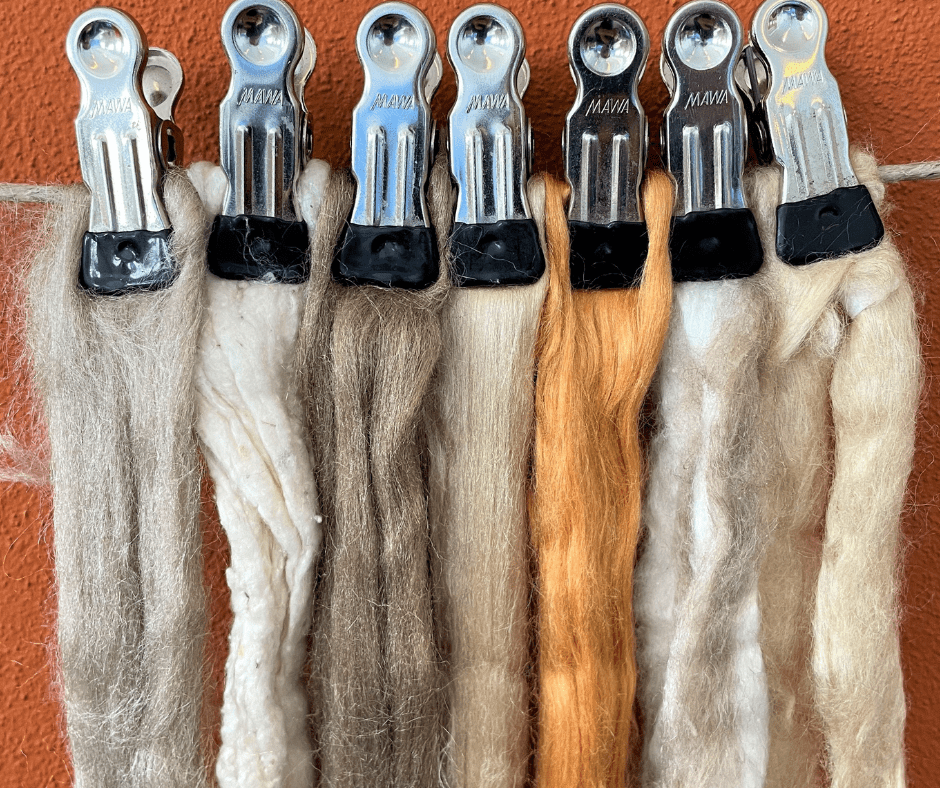
- Color: natural, with shades ranging from light brown to golden.
- Refraction: lower brightness and iridescence.
- Hairiness: higher.
- Structure: flat compared to the helical structure of mulberry silk.
Sustainability of silk fiber and GOTS and OEKO-TEX certified Tussah silk
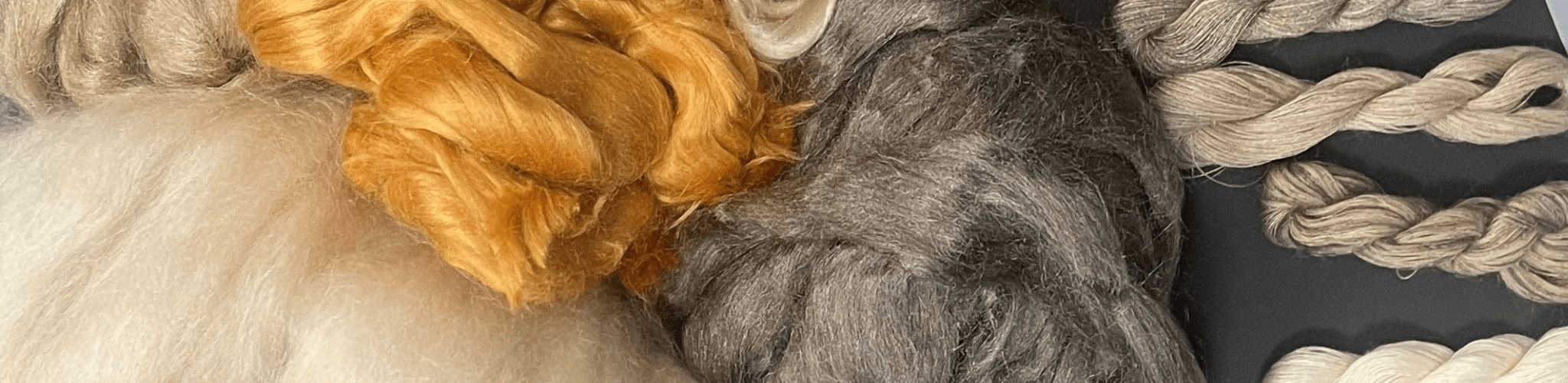
Cosetex is one of the very few companies capable of offering a wide range of sustainable certified silk types:
- Mulberry silk: appreciated for its intrinsic beauty, softness, color, and excellent functional properties.
- Tussah silk: valued for its warm, exclusive natural tones and unique supply chain.
- Eri silk: known for its cultural significance, cruelty-free silk production, and outstanding thermoregulation.
- Muga silk and others.
OEKO-TEX certified Tussah silk fiber
Thanks to OEKO-TEX certification, OEKO-TEX certified Tussah silk fiber achieves high standards in terms of the absence of harmful chemical substances present in the fiber and potentially released in contact with human skin.
Continuous quality and supply chain improvements have allowed Cosetex to achieve the highest level of OEKO-TEX certified Tussah silk sliver : OEKO-TEX Class 1, which sets even stricter limits as it is designed for products in contact with infants and children.
OEKO-TEX certified Mulberry silk and OEKO-TEX certified Tussah silk no longer define just a product, but an entire range of luxury certified silk, reliable silks suitable for the most demanding applications: from fashion to home textiles, from underwear to outerwear, from apparel to padding, from home textile to luxury silk bedding for interior design.
GOTS certified Tussah silk fiber
GOTS certified Tussah silk fiber ,Global Organic Textile Standard meets the highest existing standard for the certification of organic textile fibers. This certification is highly representative and selective for silk, as it covers every stage from the analysis of the soil where host plants are grown to the production of yarn or fiber.
GOTS certified Tussah silk ensures organic quality at 360°, involving parameters of biodegradability, environmental protection, and workers’ ethical and social responsibility. It integrates values of traceability, ethics, and low environmental impact, consolidating Cosetex’s mission for a more sustainable textile future.
Certified mulberry silk and GOTS & OEKO-TEX certified Tussah silk: ONE silk, TWO fibers, ONE vision
Cosetex offers its selected clientele a line of mulberry silk and GOTS and OEKO-TEX certified Tussah silk fibers and semi-finished products.
With additional certifications such as GRS (Global Recycled Standard) for silk fiber recycling and reuse, Cosetex strengthens its role as a premium partner for companies and designers seeking natural fibers of the highest quality, combined with internationally recognized standards.
A dual certification that does not represent an end point, but rather a confirmation of the Cosetex philosophy: offering authentic, traceable, and sustainable silk in all its forms – THE MATERIAL OF THE FUTURE.